
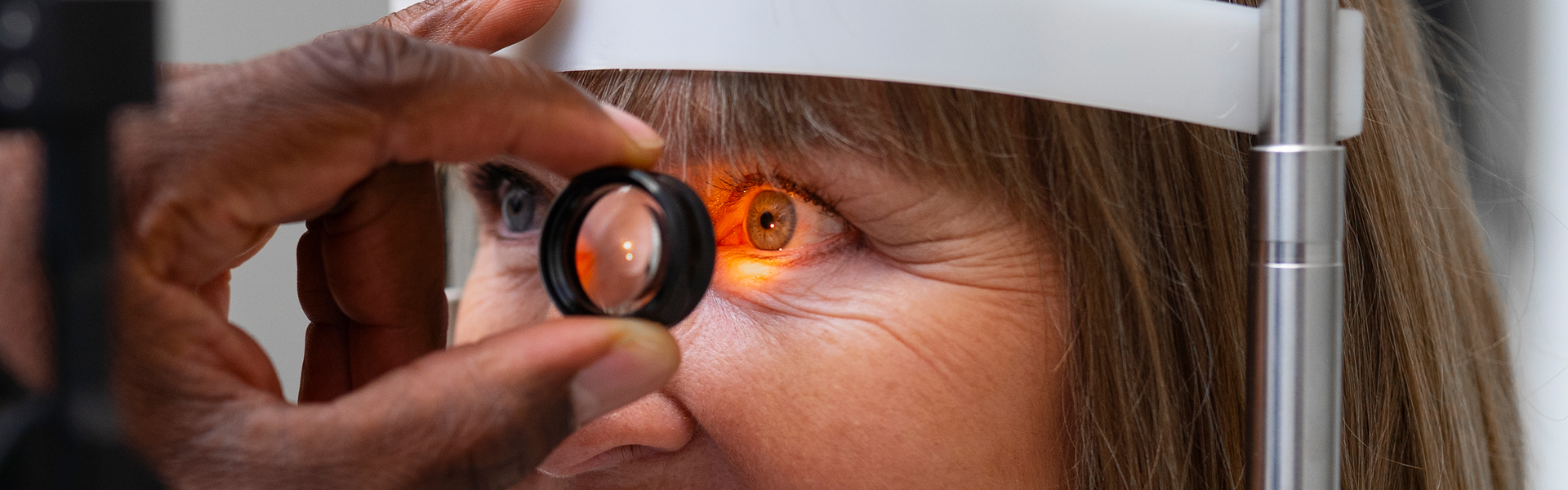
Diabetic Cataract Surgery: How to Reduce Complications & Heal Faster
Understanding the Connection Between Diabetes and Cataracts
Diabetes affects way more than just blood sugar, it can also impact your vision. People with diabetes are more likely to develop cataracts, an eye condition that clouds the eye’s lens and makes vision blurry.
Cataracts develop naturally with age, but high blood sugar can speed up this process. The best news is that diabetic cataract surgery is safe and effective when done by an experienced ophthalmologist who specializes in diabetic eye care here in Monterey.
With careful pre-surgical planning and proper aftercare, you can protect your vision and promote faster healing.
Why Diabetes Increases Cataract Risk
To see clearly, your eyes depend on a transparent lens that focuses incoming light. When blood sugar levels are really high, sugar can build up inside the eye’s lens, causing swelling and structural changes. Over time, this process causes proteins in the lens to clump together, forming a cloudy appearance.
Uncontrolled diabetes can also weaken the small blood vessels in the eyes, hence leading to diabetic retinopathy or macular edema—two conditions that may complicate cataract surgery.
If you’re living with diabetes, regular eye exams are essential to protect your vision. A proactive eye care center in Monterey can help detect cataracts early and manage related eye conditions before they affect your sight.
How Cataract Surgery for Diabetics Works
Cataract surgery is about removing the cloudy lens and then replacing it with a clear artificial one called an intraocular lens (IOL). The procedure mostly takes around 15 to 30 minutes per eye and is done under local anesthesia.
For people with diabetes, the surgery itself is similar, but both preparation and recovery need extra attention. Your eye doctor will evaluate your blood sugar levels, assess retinal health, and ensure there’s no active inflammation or bleeding before proceeding.
During the procedure:
- The surgeon creates a small incision in the cornea.
- The cloudy lens is broken up and carefully removed.
- A new lens implant is inserted to restore vision.
After the procedure:
Most patients are able to go home the same day and resume light activities soon after. However, diabetics should pay close attention to medication schedules and follow their post-op plan closely to prevent infection or delayed healing.
Tips to Reduce Complications After Diabetic Cataract Surgery
People with diabetes should take extra care during recovery to prevent complications. Here are key steps to lessen risks and promote smooth healing:
- Keep Blood Sugar Levels Stable
Poor glucose control can delay healing and increase infection risk. Monitor your blood sugar regularly and stay consistent with your prescribed medications or insulin.
- Follow Post-Op Eye Drop Instructions
Your ophthalmologist will prescribe antibiotic and anti-inflammatory drops to prevent swelling or infection. Use them exactly as directed—do not skip doses.
- Avoid Rubbing or Pressing the Eye
Even gentle rubbing can irritate the healing incision or increase pressure inside the eye. Use protective glasses or shields, especially while sleeping.
- Attend All Follow-Up Appointments
Your surgeon will check for signs of inflammation, bleeding, or fluid buildup. Regular follow-ups ensure early detection of any complications, such as macular edema.
- Protect Your Eyes from Light and Dust
Wear sunglasses when outdoors and avoid dusty or windy environments that can cause irritation.
- Maintain a Healthy Diet
Eat more leafy greens, citrus fruits, and foods rich in omega-3s to help your eyes heal faster. Avoid smoking or alcohol, which can interfere with blood circulation.
How to Heal Faster After Cataract Surgery
Recovery after cataract surgery for diabetics typically takes a few weeks. You may notice clearer vision within days, but complete healing happens gradually.
To help your eyes recover efficiently:
- Rest your eyes often and avoid strenuous activity.
- Keep your follow-up appointments for progress checks.
- Refrain from heavy lifting or bending over for the initial few days.
- Continue controlling blood sugar and blood pressure.
If you notice new floaters, flashes of light, or sudden vision changes, contact your eye care center in Monterey immediately. These may be early signs of retinal complications that require prompt treatment.
What to Expect from Your Ophthalmologist in Monterey
Your ophthalmologist in Monterey will guide you through every stage of care—from the initial consultation to full recovery. This includes:
- Comprehensive Pre-Surgery Evaluation: Checking your retina, macula, and blood vessels.
- Personalized Surgical Plan: Choosing the safest lens type and anesthesia method for your health.
- Post-Operative Monitoring: Watching for inflammation or infection and managing any diabetic eye concerns.
Seeing a trusted eye doctor helps protect your vision, ensure smooth recovery, and achieve the best possible outcome.
When to Seek Immediate Medical Care
While most cataract surgeries heal without issues, diabetics should call their doctor if they experience:
- Persistent eye pain
- Sudden vision loss
- Severe redness or swelling
- Light flashes or floaters
Prompt care can prevent permanent damage and help preserve your vision throughout recovery.
Regain Clear Vision at Eye MD Monterey
At Eye MD Monterey, we specialize in advanced diabetic cataract surgery in Monterey, providing safe, effective care for patients managing diabetes. Our experienced team uses modern, advanced techniques and personalized follow-up care to help you recover quickly and maintain healthy vision.
If you’re ready to restore your sight with confidence, schedule a consultation with our expert ophthalmologist today. Your journey to clearer vision begins with compassionate care at our highly reliable eye care center in Monterey.