
What Happens During LASIK Surgery? Step-by-Step Guide
If you are considering LASIK in Monterey, CA, understanding the process can make your consultation more useful. LASIK involves screening, corneal measurements, laser treatment, and follow-up care.
This guide explains what happens during LASIK surgery and what to expect.
Quick Summary
- LASIK starts with a detailed eye examination.
- Numbing drops are used before treatment.
- A thin corneal flap is created and later repositioned.
- An excimer laser reshapes the cornea.
- Vision often improves quickly, but healing continues.
How Does LASIK Eye Surgery Work?
LASIK changes the cornea’s shape to help light reach the retina more accurately.
During laser vision correction, the eye’s natural lens stays in place.
This approach can correct refractive errors such as nearsightedness, farsightedness, and astigmatism when the eyes are suitable for treatment.
Step 1: Complete a Detailed LASIK Consultation
The LASIK consultation process determines whether treatment is appropriate for your eyes, not simply whether your prescription can be corrected.
The examination may assess prescription stability, corneal thickness and shape, tear-film health, pupil size, retinal health, medications, and healing risks. Address significant dry eye before surgery because LASIK can worsen ocular-surface symptoms.
Am I a Good Candidate for LASIK?
Being a good candidate for LASIK depends on stable vision, suitable corneal anatomy, healthy ocular surfaces, general health, and realistic expectations.
Pregnancy, unstable vision, certain corneal disorders, some medications, or health conditions that affect healing may influence candidacy. The FDA recommends discussing risks, alternatives, and expected outcomes before proceeding.
Step 2: Prepare the Eye for Surgery
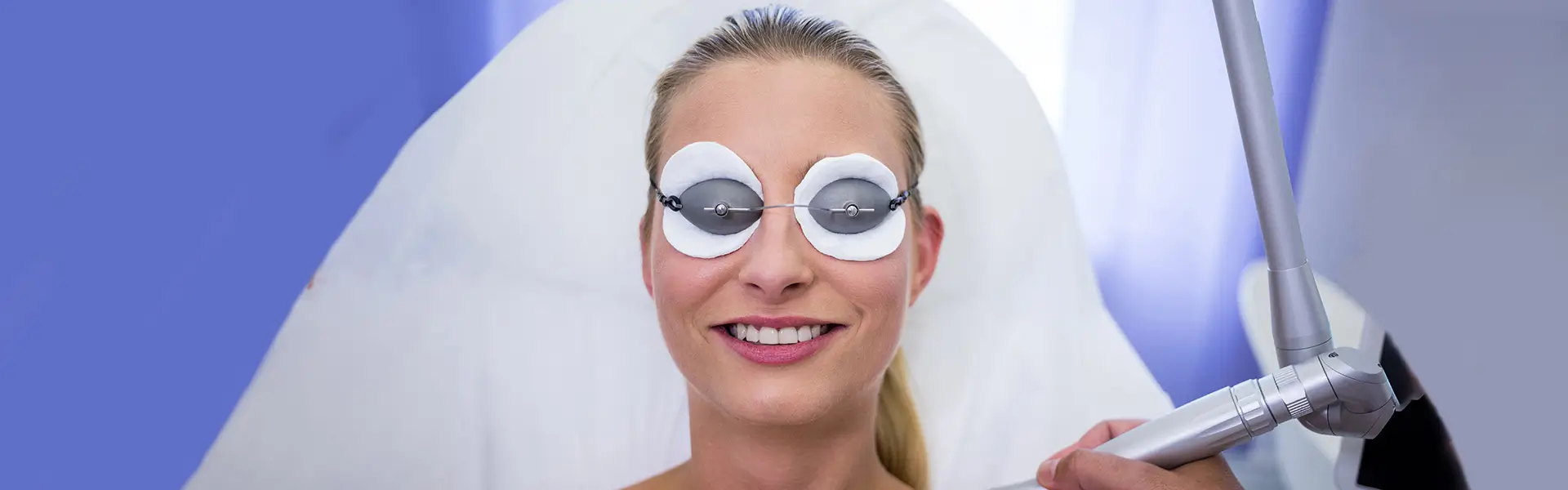
On surgery day, staff place numbing drops in the eye, and an eyelid holder prevents blinking. You remain awake and may be asked to focus on a target light.
Some systems also use eye-tracking technology.
Step 3: Create the Corneal Flap
The LASIK procedure includes creating a thin corneal flap, commonly with a femtosecond laser.
Brief pressure or temporary vision dimming can occur while the eye is stabilized. The surgeon then lifts the flap while leaving it attached by a small hinge.
Step 4: Reshape the Cornea With the Excimer Laser
In a LASIK procedure, the excimer laser reshapes the cornea. Measurements taken before the procedure help guide how much corneal tissue the excimer laser removes.
Treatment patterns differ for nearsightedness, farsightedness, and astigmatism. The goal is to adjust how light is focused rather than apply the same correction to every eye.
Step 5: Reposition the Corneal Flap
After laser treatment, the surgeon returns the flap to its original position and checks its alignment. Stitches are usually unnecessary.
An eye shield can help protect the eye from rubbing, touching, or pressure after treatment.
How Long Does LASIK Surgery Take?
The FDA states that LASIK generally takes less than 30 minutes. The full visit takes longer because preparation and postoperative checks add time.
Patients asking how long LASIK surgery takes should also account for the time needed before and after the actual laser treatment.
Is LASIK Painful?
Numbing drops reduce sensation during surgery, although pressure may be noticeable during flap creation.
Temporary burning, watering, light sensitivity, grittiness, or mild discomfort can occur afterward. Report severe pain or symptoms that worsen rather than improve.
What Is the LASIK Recovery Timeline?
The LASIK recovery timeline starts immediately after surgery. Vision may be hazy or variable at first.
LASIK recovery time varies by patient, and the FDA notes that visual fluctuations can continue for several months. Early improvement doesn’t necessarily mean the cornea and vision have fully stabilized.
How Soon Can You See After LASIK?
Vision is usually present immediately after LASIK but may look blurred at first.
For patients asking how soon you can see after LASIK, clarity often improves during the first few days. Follow-up still matters because the surgeon also checks flap position, corneal healing, inflammation, and the ocular surface.
What Does LASIK Aftercare Involve?
LASIK aftercare instructions may include prescribed antibiotic or anti-inflammatory drops and lubricating tears. You will also be told not to rub your eyes.
Temporary restrictions may apply to swimming, hot tubs, eye makeup, strenuous exercise, and contact sports. Seek prompt eye care for severe pain, worsening vision, increasing redness, or other unexpected symptoms.
Understanding LASIK Risks and Benefits
A balanced discussion of LASIK risks and benefits should include both possible visual improvement and treatment limitations. No refractive procedure can guarantee a specific result.
Possible concerns include dry eye, glare, halos, night-vision difficulty, undercorrection, overcorrection, residual prescription, inflammation, infection, flap problems, or corneal ectasia in susceptible eyes.
Some people still need glasses after surgery. LASIK also does not prevent presbyopia, so you may need reading glasses with age.
What Should You Look for in a LASIK Surgeon in Monterey, CA?
When choosing a LASIK surgeon in Monterey, CA, focus on clinical evaluation. Ask how they assess corneal shape, thickness, and dry eye; why they recommend LASIK; and how they handle follow-up care.
If you are comparing laser eye surgery, the consultation should explain why a particular approach fits your examination findings.
Vision correction surgery may involve LASIK for some patients, while another procedure or continued use of corrective lenses may be more appropriate for others.
Conclusion
LASIK combines screening, flap creation, programmed corneal reshaping, and follow-up care. Understanding each stage can help you make a more informed treatment decision.
If you are considering LASIK eye surgery in Monterey, CA, contact Eye MD Monterey – Cass St to discuss your prescription, corneal health, visual goals, and available options.
Frequently Asked Questions
The laser removes precise, microscopic amounts of tissue using measurements collected during the pre-surgical evaluation.
LASIK is generally a short procedure, often lasting under 30 minutes, while the full appointment takes longer.
Most people notice pressure rather than sharp pain. Mild irritation or watering can occur after the numbing drops wear off.
Vision is usually present immediately but may appear hazy at first. Clarity often improves during the first few days.
Candidacy depends on prescription stability, corneal measurements, ocular-surface health, medical history, and realistic expectations.
Early improvement may occur quickly, but vision can continue to stabilize for weeks or months.
Yes. LASIK can reduce dependence on corrective lenses, but some people still need glasses for certain tasks or later need reading glasses.
Ask about corneal measurements, dry eye, expected results, risks, alternatives, follow-up visits, and symptoms that need prompt attention.